

A Quest for Well-Being Interview with
ANNE SMITH, PH.D.
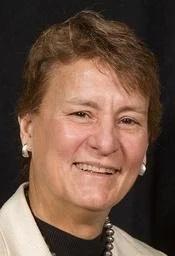
1. WHAT MAKES YOU HAPPY AND WHAT MAKES YOU FEEL SUCCESSFUL?
What makes me happy is helping other people. I am a psychologist. I see people who are having issues mostly with anxiety. I am a good listener, so this helps too because I think most people need/want someone to listen to them when they are struggling with issues.
I do cognitive behavioral therapy. In a nutshell what we say to ourselves about a situation or person determines how we feel and then behave. So, the first “homework” assignment I give focuses on paying more attention to self-talk and what we are thinking in certain situations or about certain people. And then to connect that to how that thought makes us feel and then behave. Sounds easy but it is very difficult because most of us do not pay attention to what we are thinking about a situation/person. But we seem to automatically know how we feel about the person/situation and then we behave most of the time according to our feelings. So, paying attention to what we are thinking and saying to ourselves takes time and practice.
One strategy I use to help my clients to be able to start paying more attention to what they are thinking is to ask them what physical sensations they get when they feel anxious. They are usually able to quickly tell me – racing thoughts, tension in their body, fast heartbeat, etc. So, I then suggest that once they notice these physical feelings in their body to stop and ask themselves what am I saying to myself? And then when they realize what they are saying to themselves that is causing this physical reaction, to come up with a thought or way of thinking about the situation that is more accurate and helpful.

Then we work on changing or “reframing” how to think about certain situations or people so they can have less anxiety. Anxiety happens a lot of the time about things or situations that have never happened and might never happen. What if he doesn’t like me? What if I embarrass myself? So, again it’s about being more aware of what we are thinking and reframing how to think about a situation, so our anxiety level decreases. And, it’s not about saying stuff to yourself that you don’t believe. Like – “It will be fine” when deep down, you’re like but it might not be. So, I like to use the Four Questions I read about in a book. The first question “Is that thought or belief a true fact, not just your opinion?” Most of the time when I ask this is in a session, the person will say well it might happen or I’m not sure but….. And then I say does 2 + 2 = 4? And they just look at me like yes. So, if someone is hemming and hawing then it’s not a true fact, it’s their opinion! The second question is “Does that thought or belief give you true satisfaction?” No. “Does that thought or belief protect and prolong your health?” No. “Does that thought or belief get you what you want?” No. So, the first question is usually the one that is hardest for them to understand and answer because once again they are looking for a reason it might be true or might happen. I tell them if you are hemming and hawing to answer that question then it’s not true. And if you are consistently saying no to the Four Questions, then catch yourself and reframe your thinking.
One more strategy I will tell you about is predict and plan. If you know you are going into a situation that makes you anxious, then predict that you will have anxiety and have a plan of what you will say to yourself if the feelings start. Also, predict and plan is good to use in a family situation or an interaction with a co-worker. Predict that a co-worker or family member might be unpleasant or irritating or inconsiderate, like they usually are, and plan how you will react or not react and what you will say or not say. The co-worker/family member is not going to change so why keep getting riled up every time you see them. If someone keeps coming in and telling me how riled up they are getting about the family member’s/co-workers’ behavior, I ask are you surprised they acted like that? They just look at me like no. So, why keep getting riled up, it only hurts you. So, again it’s about having a plan so if the situation does occur, like it usually does, you will be ready and feel more prepared going into it. If the person is not unpleasant or irritating or inconsiderate, for a change, then great but you are ready and have a plan if they are.
I don’t do therapy with my clients to feel “successful.” I do it because I enjoy helping people who want help and come to see me. I don’t think about what makes me feel successful because that’s not a goal of mine, but your question is making me think about it . I have always done things I have wanted to do because I wanted to do them, because I was interested in them, not to please my parents or because I wanted other people to say wow, you’re a great tennis player. I had (have) the inner drive and determination to accomplish my goals. So, back to the question, I feel successful from my past and current accomplishments of playing on the women’s professional tennis tour, obtaining a doctorate in educational psychology, and being a psychologist for the past 25 years.
2. WHAT WAS THE INSPIRATION, INTENTION, AND PURPOSE OF WRITING YOUR BOOKS?
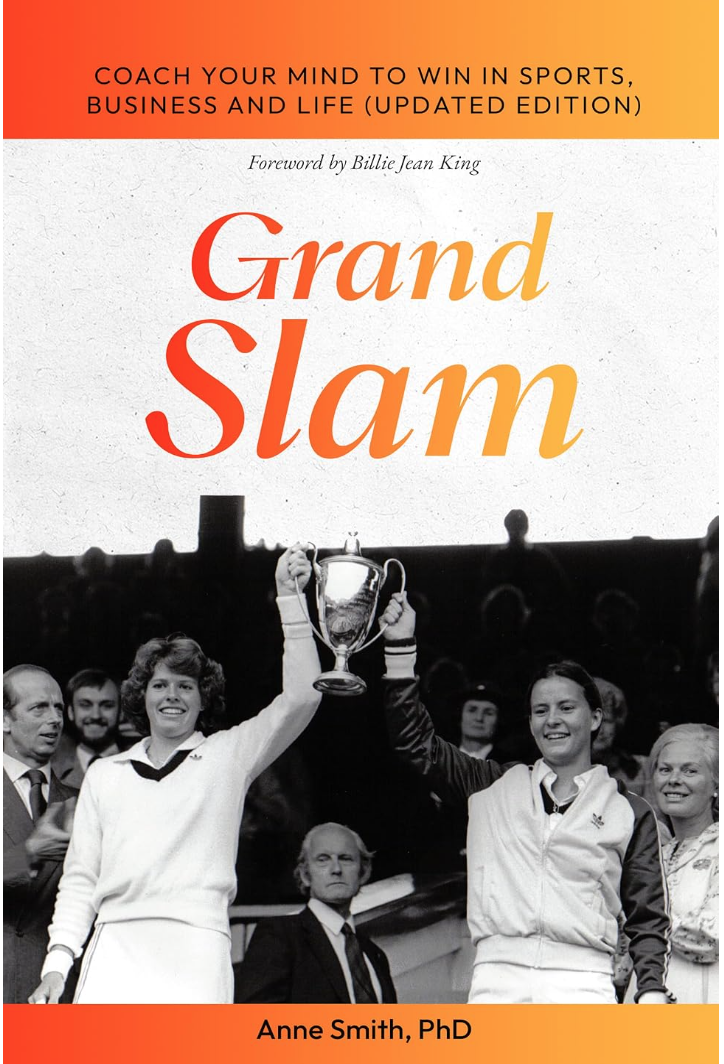
Yes, I have written a couple of books. Before I became a psychologist, I played on the women’s professional tennis tour. I won 10 grand slam titles in doubles and mixed doubles. I played for 14 years on the tour. I was ranked #11 in the world in singles and #1 in the world in doubles two years in a row. The name of one of my books is Grand Slam: Coach Your Mind to Win in Sports, Business, and Life. Bille Jean King wrote the forward to my book.
The inspiration for writing the book was to let people know they can have goals and meet them when they have a plan and are determined to work hard and stick with it through thick and thin. The book is based on my experience of being a junior tennis player with the goals of wanting to play on the women’s professional tennis tour and then wanting to be a psychologist since I was a teenager. So, my plan was to play one year in college while competing in several professional tournaments to obtain a world ranking, then play on the professional tennis tour, and then get my doctoral degree in psychology. I did it! While I was at Trinity University, in addition to playing on the team, I played in three professional tournaments and came onto the tour ranked #39. When I retired from the tennis tour, I went back to Trinity University and finished my undergraduate degree and then attended The University of Texas at Austin and obtained my doctoral degree and became a licensed psychologist. My intention and purpose for writing the book was to help people understand how to live their best life, reach their goals, and be successful in sports, business, and life.
I have written another book called Mach 4 System: Coach Your Mind to Win. The book is based on the mental training program I developed called the Mach4System®. The System is called Mach 4 because there are four components and if you train your players to do the four components together, they will reach their goals much faster.
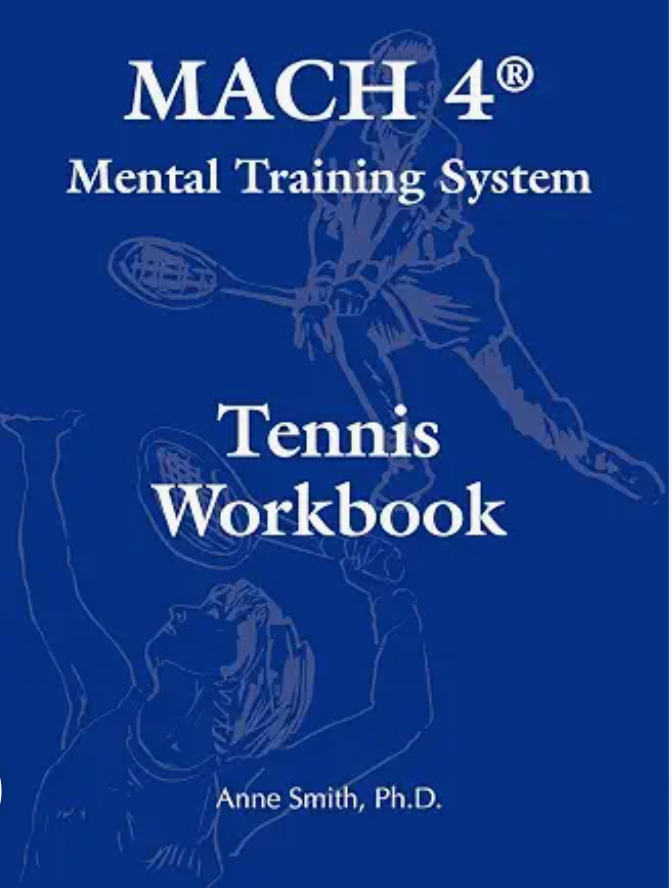
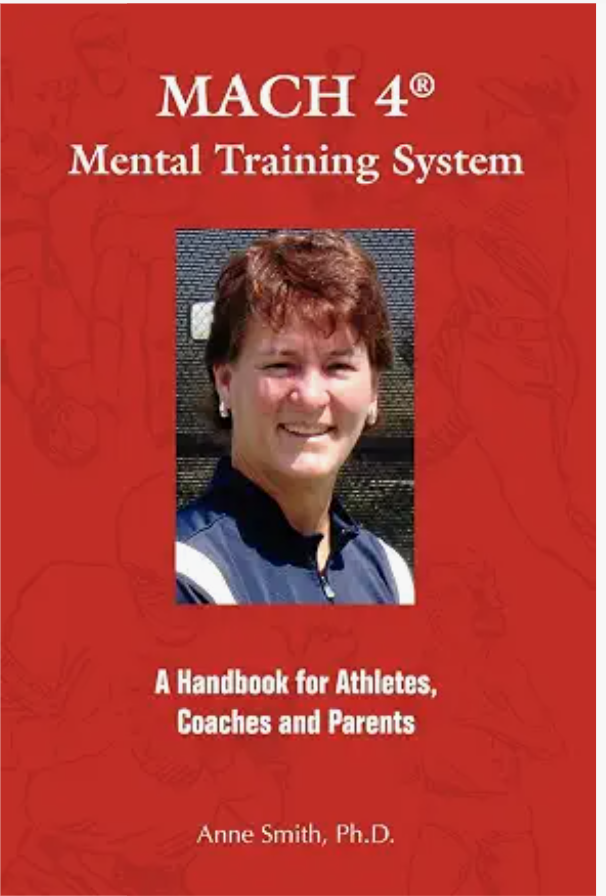
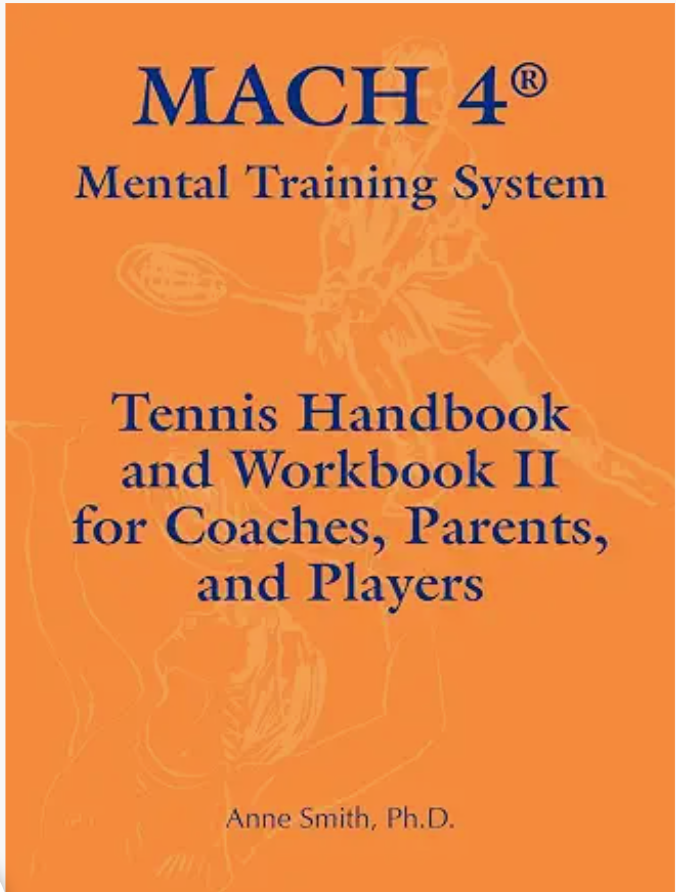
My intention and purpose for writing this book was to teach people how to succeed in sports. It specifically focuses on tennis, but the concepts can be applied to other sports as well. When I ask players, coaches, and parents, “What percentage of tennis is mental?” Some say 50%, others say 90%, but I say it's 100% because the brain is involved in everything that we do from what time to get up in the morning, what to eat for lunch, when to go workout, whether to hit a forehand cross court or down the line, whether to serve the ball down the middle or out wide. Our mind tells us what to do and when to do it. So, if our mind is so important, then why don't coaches incorporate mental training into practice sessions and lessons? If a coach can incorporate mental training into practice, then in a match situation, their players will be more likely to consistently play their best, not give away free points and matches, and have the best opportunity to win.
3. WHO WOULD BENEFIT MOST FROM YOUR WORK AND YOUR MESSAGE?
Anyone who is struggling with anxiety or depression; anyone who wants to be better at their job or sport; anyone who needs strategies to handle unpleasant people/situations; and anyone who needs someone to listen to them.
4. WHAT IS LIKE WORKING WITH YOU FROM A CLIENT’S PERSPECTIVE?
Many of my clients have told me how helpful I have been to them. I figure if someone comes to see me and keeps coming back than that means I am helping them. I have several long-term clients who have been coming to see me for many years. I call them “Lifers.” And, I have seen people in the past who stop coming and then they will come and see me again years later, so I figure I was helpful to them back in the day.
5. WHAT IS HEALING TO YOU?
Exercising four days a week - Tuesday, Wednesday, Saturday, and Sunday – same days and times. I never miss a workout day unless I’m sick or injured. Walking my dog . Meeting up with friends for dinner.
6. DO YOU MEET YOUR CLIENTS IN PERSON AND REMOTELY? DO YOU OFFER GROUP AND CORPORATE COACHING?
I meet with clients in person and over tele health. I do not currently offer group or corporate coaching. Although I am interested in offering corporate coaching at some point in my career.
7. WHERE CAN WE FIND MORE INFORMATION ABOUT YOU, YOUR WORK,
PRODUCTS, SERVICES, AND YOUR FUTURE PROJECTS?
My books are for sale on Amazon. You can Google Anne Smith tennis and my Wikipedia page comes up.
My psychology website is https://www.drannesmith.com/
ABOUT ANNE SMITH, PH.D.
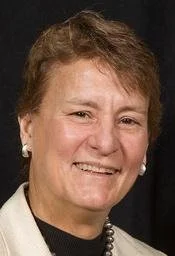
Anne Smith, Ph.D., won her place in the history books of all-time winners with ten Grand Slam championships in doubles and mixed doubles from 1980 to 1984. She is one of only 20 women in the history of the Open Era of tennis who have won ten or more Grand Slam titles. She has won three US Open titles, two Wimbledon titles, four French Open titles, and one Australian Open title. She was ranked No. 1 in the world in doubles in 1980 and 1981 and reached a career-high No. 11 in singles in 1982.
After her active tennis career, Anne returned to Trinity University and earned her bachelor’s degree. She then enrolled at the University of Texas at Austin where she completed her doctorate in Educational Psychology with a specialization in School Psychology. She was the mental training consultant for Harvard University’s women’s tennis team in 2006 when they broke into the Top 10 for the first time and achieved their highest national ranking. Nominated by the United States Tennis Association, Anne is the recipient of the 2009 United States Olympic Committee’s “Doc” Counsilman Science Award for her contributions in the areas of sports psychology and mental training. In 2018, she was the recipient of the Educational Merit Award presented by Todd Martin and the International Tennis Hall of Fame. She is the author of Grand Slam Coach Your Mind to Win in Sports, Business, and Life and Mach 4® Mental Training System. Anne is a licensed psychologist in private practice in Dallas, Texas.