
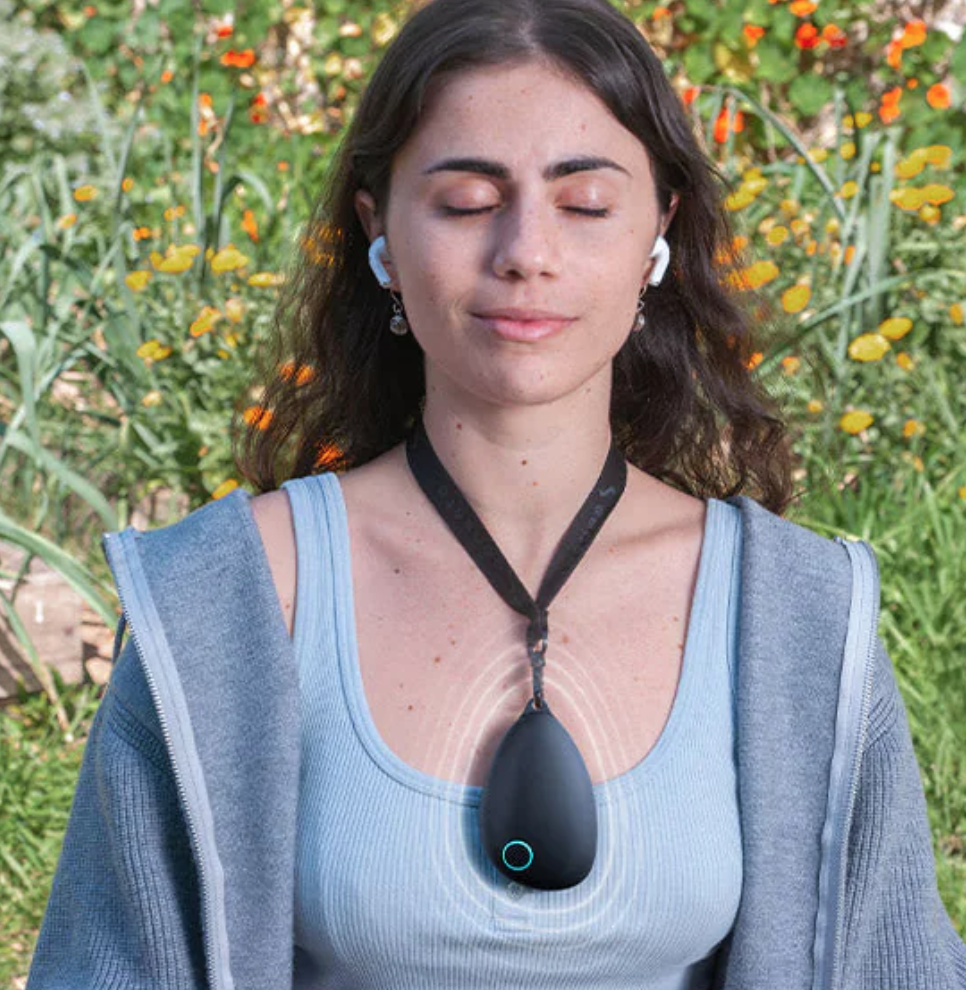
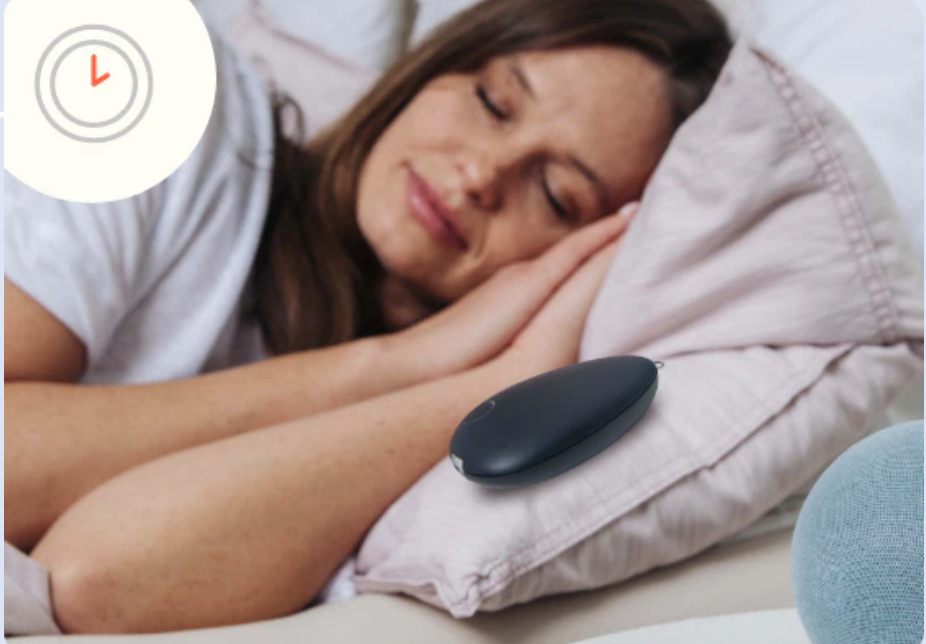
A device to help you sleep can quietly change the way your body handles stress at night.
I did not believe that at first, until I hit a point where falling asleep felt like a nightly battle.
My mind would replay conversations, unfinished work, and random worries the moment my head touched the pillow.
One night, after another restless stretch, I tried a calming sleep device designed to activate relaxation through sound and gentle vibration.
I kept my expectations low, but the experience surprised me.
The shift was not dramatic, but it was noticeable enough to keep me coming back to it.
Right after the second night, I found myself drifting off without forcing it.
That was new, and it led me to explore a device to help you sleep that could support that feeling consistently.
WHY STRESS DISRUPTS YOUR SLEEP CYCLE
Stress does not just sit in your mind.
It shows up in your body.
Your breathing becomes shallow.
Your heart rate stays slightly elevated.
Your nervous system stays on alert even when you are physically tired.
This is where most people get stuck.
They assume sleep is about being tired enough.
But real sleep happens when your body feels safe enough to let go.
I learned this the hard way during a period of heavy workload and constant screen time.
Even after long days, my brain would not shut off.
That is because stress signals were still active.
Without calming those signals, sleep stays out of reach.
HOW SLEEP DEVICES SUPPORT NATURAL RELAXATION
A well-designed sleep aid does not knock you out.
It guides your body into a calmer state.
Most modern sleep tech focuses on stimulating the parasympathetic nervous system.
This is the part responsible for rest and recovery.
When activated, your breathing slows.
Your muscles relax.
Your mind stops racing.
The device I tried used low-frequency vibrations paired with calming sound patterns.
At first, it felt unusual.
But within minutes, my breathing naturally synced with the rhythm.
I was not forcing relaxation.
It just happened.
That is the difference between natural sleep support and artificial solutions.
THE SCIENCE BEHIND CALMING TECHNOLOGY
There is a reason these tools are gaining attention.
They are built on principles of vagus nerve stimulation.
The vagus nerve plays a major role in regulating stress responses.
When gently stimulated, it tells your body to switch from “fight or flight” to “rest and digest.”
This is not just theory.
You can feel it.
I noticed my shoulders dropping without consciously relaxing them.
My jaw unclenched.
My thoughts slowed down instead of jumping from one idea to another.
That is when sleep becomes effortless instead of forced.
REAL-LIFE CHANGES YOU CAN EXPECT
The biggest change I noticed was not just falling asleep faster.
It was how I felt the next day.
I woke up without that heavy, foggy feeling.
My mood improved.
Even my focus during work hours became sharper.
Here are some realistic benefits people often experience:
● Faster sleep onset without overthinking.
● Reduced nighttime anxiety.
● Fewer wake-ups during the night.
● Deeper, more restorative rest.
● Improved emotional balance during the day.
These changes build over time.
It is not a one-night fix.
But consistency makes a noticeable difference.
COMPARING SLEEP TOOLS AND TRADITIONAL METHODS
Before trying technology, I experimented with everything.
Herbal teas.
Meditation apps.
White noise machines.
Some worked temporarily.
Most required effort or discipline that I could not maintain every night.
Sleep devices stand out because they work passively.
You do not need to concentrate.
You do not need to “do it right.”
You simply use them and let your body respond.
That simplicity is what makes them sustainable.
WHO BENEFITS THE MOST FROM THESE DEVICES
Not everyone struggles with sleep in the same way.
But certain patterns make people more likely to benefit from calming sleep tech.
You may relate if:
● Your mind stays active at night.
● You feel physically tense even when tired.
● You rely on screens late into the evening.
● You wake up feeling unrested despite enough hours in bed.
I checked all those boxes.
That is why the results felt so noticeable.
If your issue is stress-driven insomnia, these tools can be particularly effective.
HOW TO BUILD A BETTER NIGHTTIME ROUTINE
A sleep device works best when combined with small habit changes.
You do not need a complete lifestyle overhaul.
Just a few adjustments can amplify results.
I started with simple steps.
I reduced screen exposure 30 minutes before bed.
I kept lighting softer in the evening.
I used the device consistently at the same time each night.
That routine trained my body to recognize when it was time to wind down.
Over time, sleep became predictable instead of uncertain.
WHAT TO LOOK FOR WHEN CHOOSING A SLEEP DEVICE
Not all sleep aids are created equal.
Some focus only on sound.
Others combine multiple sensory inputs.
Here are key factors to consider:
● Comfort and ease of use.
● Non-invasive design.
● Proven relaxation techniques like vibration or sound therapy.
● Portability for travel.
● Consistent user experience without complicated setup.
I personally preferred something simple.
If a tool feels like work, it defeats the purpose.
FINAL THOUGHTS ON IMPROVING SLEEP NATURALLY
Sleep is not just about rest.
It is the foundation of how you feel, think, and function every day.
Ignoring poor sleep eventually affects everything else.
A calming sleep aid can act as a bridge between stress and rest.
It does not replace healthy habits.
It supports them.
From my experience, the biggest shift was not just better sleep.
It was the feeling of control returning to my nights.
Instead of hoping I would fall asleep, I knew I would.
That certainty alone reduced half the stress.
And sometimes, that is exactly what your body needs to finally let go.