
well-being

HOW ALCOHOL COUNSELING NEW JERSEY FITS INTO A COMPLETE MENTAL HEALTH AND WELLNESS PLAN

Introduction to Recovery That Actually Fits Real Life

Alcohol counseling New Jersey is often the first structured step people take when they realize drinking is no longer just a habit but a coping mechanism that stopped working.

I remember sitting in my car outside a counseling office thinking I didn’t belong there because I still had a job and friends and responsibilities.

What I learned quickly is that support is not reserved for rock bottom moments but for people who want their lives to feel manageable again.

Counseling is not about labels or judgment.

It is about understanding why alcohol became the solution and how to replace it with healthier tools that actually last.

Why Alcohol Use Rarely Exists in Isolation

Drinking problems rarely show up alone, and they usually walk in with anxiety, stress, unresolved grief, or long-standing emotional exhaustion.

A close friend once described alcohol as her “off switch” after twelve-hour workdays and constant pressure to perform.

Over time that off switch became the only way she could relax, sleep, or feel normal.

Effective counseling looks beyond the drink itself and focuses on the emotional drivers underneath the behavior.

When mental health is addressed at the same time, recovery stops feeling like punishment and starts feeling like relief.

Here is where structured support like alcohol counseling New Jersey becomes part of a broader healing process rather than a standalone fix.

HOW COUNSELING SUPPORTS MENTAL HEALTH STABILITY

Identifying Emotional Triggers

One of the most powerful moments in counseling is realizing your urge to drink has a pattern.

Triggers often include work stress, family conflict, social pressure, or even boredom.

I once heard a counselor ask, “What does alcohol give you that you feel you can’t get anywhere else?”

That question reframed the entire recovery process.

Instead of fighting cravings blindly, counseling helps people prepare for them with awareness and practical strategies.

Building Emotional Regulation Skills

Many people were never taught how to sit with discomfort or healthily process emotions.

Counseling introduces skills like grounding, emotional labeling, and distress tolerance.

A former client shared that learning how to pause and breathe through anxiety changed her evenings completely.

She stopped reaching for a drink and started reaching for tools that didn’t create regret the next morning.

These skills strengthen mental resilience far beyond recovery alone.


THE ROLE OF COUNSELING IN LONG-TERM WELLNESS

Creating Structure Without Control

One fear people have is that counseling will feel rigid or controlling.

In reality, it provides structure without taking away autonomy.

Sessions create accountability while still allowing individuals to make their own choices.

That balance is often what keeps people engaged long enough to see real change.

Improving Relationships and Communication

Alcohol misuse often strains relationships even when intentions are good.

Counseling helps people rebuild trust by improving communication and emotional honesty.

One man shared that learning how to express frustration calmly saved his marriage more than quitting drinking ever did on its own.

When relationships stabilize, the urge to self-soothe with substances often decreases naturally.

INTEGRATING COUNSELING INTO A WHOLE-PERSON APPROACH

Mental Health and Substance Use Are Connected

Treating alcohol use without addressing mental health is like fixing a leak without checking the pipe.

Conditions like depression, trauma, and chronic stress often fuel drinking behaviors.

Integrated counseling addresses both sides of the equation at the same time.

This approach reduces relapse risk and increases emotional stability long term.

Counseling as Part of Daily Life

The most successful outcomes happen when counseling becomes part of a regular wellness routine.

People who attend sessions consistently often describe feeling more grounded and less reactive overall.

It becomes less about avoiding alcohol and more about building a life that does not require escape.

That shift is subtle but powerful.

WHAT MAKES COUNSELING FEEL HUMAN AND NOT CLINICAL

Real Conversations Instead of Lectures

Effective counseling does not feel like being talked at.

It feels like having honest conversations with someone trained to listen between the lines.

A woman once said her counselor noticed she joked every time she felt uncomfortable.

That small observation helped her recognize avoidance patterns she had never seen before.

Progress Over Perfection

Counseling normalizes setbacks without minimizing responsibility.

Missed goals are treated as learning moments rather than failures.

This mindset reduces shame and keeps people engaged instead of giving up after one bad week.

Progress becomes measurable in emotional clarity, not just sobriety milestones.

LIFE AFTER COUNSELING BEGINS TO WORK

Confidence Without Numbing

One of the most unexpected benefits people report is confidence.

Without alcohol dulling emotions, decision-making becomes clearer and self-trust grows.

A former client described feeling “awake” in her own life for the first time in years.

That clarity often spills into career growth, healthier relationships, and improved self-esteem.

A Sustainable Mental Health Plan

Counseling lays the foundation for long-term mental wellness.

People learn how to manage stress before it turns into crisis.

They develop awareness that helps them course-correct early instead of waiting for collapse.

This is what makes counseling a cornerstone of sustainable recovery rather than a temporary fix.

Why Timing Matters More Than Readiness

Many people wait until they feel “ready” to seek help.

The truth is that readiness often comes after support begins, not before.

Starting counseling during uncertainty is often what creates clarity and motivation.

If alcohol has started to feel like a requirement instead of a choice, that is enough reason to start.

Closing Thoughts on Building a Healthier Future

A complete wellness plan is not about removing alcohol alone.

It is about creating emotional stability, self-awareness, and resilience that lasts.

Counseling provides the tools to understand yourself without judgment and change without force.

When mental health and substance support work together, recovery stops being a struggle and starts becoming a lifestyle that actually fits real life.

SOUL STATEMENT: TODAY IS THE BEST DAY OF MY LIFE

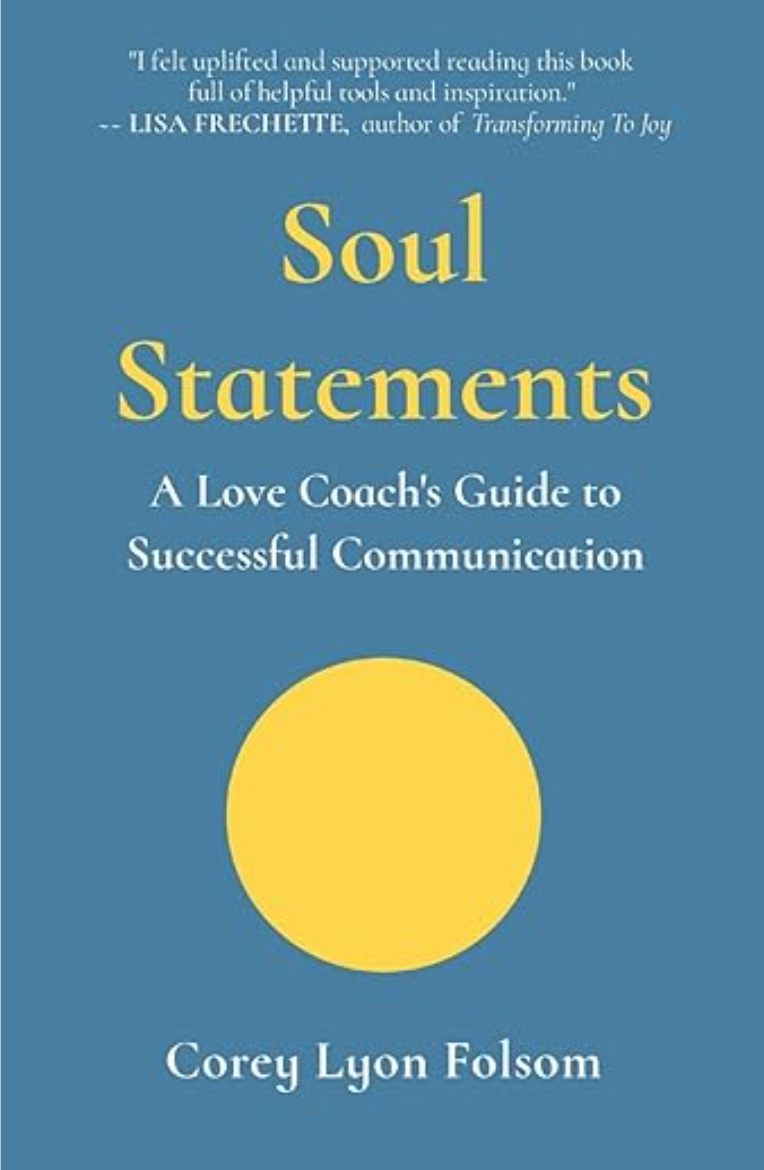
"Soul Statements" is a powerful guide to enhancing relationships through meaningful communication. Leveraging his experience as a love coach, he provides practical tools and insights that foster deep, soul-level connections. The book seamlessly combines heartfelt advice with practical strategies, making effective communication accessible to everyone. I particularly appreciate his emphasis on empathy and understanding, underscoring the critical roles of listening and mutual respect. Through personal anecdotes and universal lessons, the book remains engaging and relatable. The very title, "Soul Statements," is inspiring, symbolizing its value as an essential companion for anyone striving to enrich their relationships. It's a must-read for those committed to cultivating love and understanding in their lives. ~ Valeria

A beautiful and Soul nurturing book I highly recommend: Soul Statements: A Love Coach's Guide to Successful Communication by Corey Lyon Folsom


Soul Statements help you remain aware of your true home and your essence. When you know who and what you are, your power naturally turns up. This makes it easier to live as the truest version of you. Increased serenity comes from living as who you were born to be.

SOUL STATEMENT EXAMPLE

I have a power place within.

In his book, Artic Dreams, Barry Lopez writes about how the northernmost Inuit people’s name for the polar bear translates as, Giver of Power. As Barry Lopez tells it, if a lone hunter is confronted by a polar bear with nowhere to escape (only flat ice in every direction) and he lives to tell the tale, he inevitably uncovers a deeper part of himself in those moments with the bear. This is a portion of his essence that he did not have access to before, but which he can now incorporate into his life, hence the name, Giver of Power.

Coming face-to-face with a serious cancer diagnosis and years-long treatment has been my Giver of Power. I got to feel into who I am beyond fear and desire. I had to decide how hard I was willing to fight for life and why. I continue to review and update what I believe about myself in order to be fully engaged in the fight for my life.

Fear waits to pounce from ambush when I am most vulnerable. Fear stalks me like a silent wolf at the perimeter of an ancient campfire. Fear wells up in my chest and informs me when I am focusing in a poor direction. It sometimes tries to enter my dreams and my quiet moments. The aggressive treatment of cancer is its own challenge with unexpected blows to roll with and losses to grieve.

For every loss along the way I could remain in sorrow or choose to focus on what I was gaining in exchange. Focusing on my gains was an absolute game-changer for me. It moved me from self-pity to clarity about why I was in the battle. There were more lessons on this voyage back to well-being that I could not know all at once. This journey was a slow-motion marathon.

The texture and layers of pain have their own purity and their own teachings. There was no short-cutting or getting around the predictable grief and sorrow, but I could not afford to spiral down too far into morbid reflection. The hurdles that I had to clear in this period of time were a stark example of the powerful adage: The way out is through.

I am happy for what I can do. This illness helped me stop doing things that weren’t the best use of my time. When the amount of time one has left might be drastically shortened, simple decisions become stark. “Is X or Y activity serving my highest value?” and “What if I didn’t do this thing?” These are natural questions when considering onrushing mortality. These questions are useful for any of us, anytime.”

SOUL STATEMENT EXAMPLE

I’m stronger than my challenges.


The Best Day of My Life

One thing that living with cancer has done is increase my everyday appreciation. When the potential for no more days becomes a much-too-real outcome, each day is precious. I may not be having an ideal day, but I am in it with a reasonable expectation of another day to live after this one. I hold the awareness that this very day I’m inhabiting is the best day of my life. Every day.

Other days may have held more pleasure, excitement, closeness, joy or accomplishment. There have been days in my life that were filled with wonder, adventure or more ease and connectedness than today. This day stands as the best simply because I am living it now.

All previous days, whether amazing or difficult, have passed into memory. They are encoded in my cells and psyche and they led me directly to here. Each one of them informs my present. And it is the present day that matters most.

Today is what I can experience and that makes it the best of all. All future days haven’t arrived and when they do (God-willing) I will experience them one at a time in real time. Every future day, when I’m living it, will be the new best day of my life.


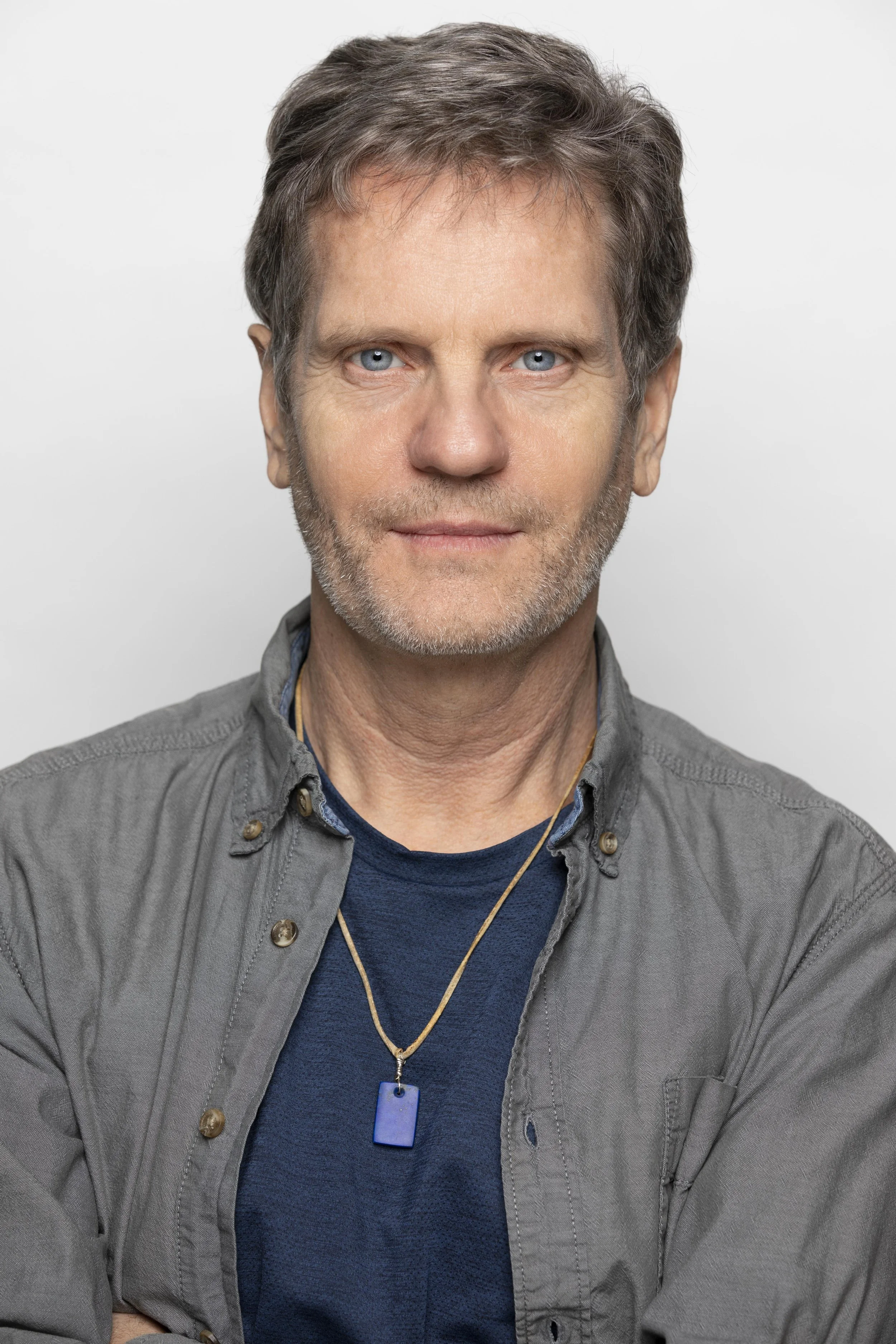
Certified Tantra Educator, NLP Practitioner and Relationship Coach, Author, and Speaker

Author of SOUL STATEMENTS: A Love Coach's Guide To Successful Communication

To learn more about Corey and his work, please visit: https://corerelationship.com/


HOW SAUNAS SUPPORT LUNG HEALTH IN RESPIRATORY THERAPY PROGRAMS

Understanding the Role of Saunas in Lung Care

Respiratory therapy programs provide essential training for professionals dedicated to improving lung function in individuals facing chronic conditions. While traditional methods like medication and pulmonary rehabilitation remain fundamental, saunas are gaining recognition as a supportive tool in lung health management.

The heat and steam in saunas can help open airways, loosen mucus, and improve circulation. Many people with respiratory challenges, including those with asthma or chronic obstructive pulmonary disease (COPD), find relief in controlled heat environments. The science behind this is simple: warm air helps expand the airways, making breathing easier and more efficient.

The Science Behind Saunas and Lung Function

Regular sauna use has been linked to improved lung capacity and overall respiratory function. When exposed to heat, the body's response includes increased heart rate and blood circulation. This process mimics the effects of mild cardiovascular exercise, which can be beneficial for individuals with lung conditions.

Studies suggest that the heat from saunas can reduce inflammation in the respiratory tract, leading to easier breathing and improved oxygen exchange. This can be especially beneficial for those enrolled in respiratory therapy programs, as it provides a non-invasive way to enhance treatment outcomes.

First-Hand Experiences with Sauna Therapy

Many individuals with chronic respiratory conditions have reported significant benefits from sauna therapy. Take Mark, for example, a former firefighter diagnosed with COPD. Years of smoke exposure left him with persistent breathing difficulties. After incorporating sauna sessions into his routine, he noticed a reduction in mucus buildup and fewer flare-ups.

Similarly, Emily, a respiratory therapist, often recommends saunas to patients struggling with seasonal respiratory issues. She recalls a patient with severe asthma who found that regular sauna use reduced his dependency on inhalers. While not a cure, the therapy became a complementary tool in his overall treatment plan.

Detoxification and Mucus Clearance

One of the biggest challenges in managing lung conditions is excessive mucus production. Saunas help thin mucus, making it easier to expel. This is particularly useful for patients with chronic bronchitis, cystic fibrosis, or those recovering from respiratory infections.

Sweating also plays a role in detoxification. Toxins and pollutants that accumulate in the body, including those that affect lung function, can be eliminated through sweat. By integrating sauna therapy into a holistic respiratory care plan, patients may experience better symptom management and improved well-being.

Heat Therapy and Immune System Support

Another key benefit of saunas is their ability to strengthen the immune system. The elevated temperature experienced in a sauna can stimulate white blood cell production, helping the body fight off infections more efficiently. This is especially important for individuals prone to respiratory illnesses, such as pneumonia or bronchitis.

By using saunas regularly, those in respiratory therapy programs can explore new ways to enhance lung health while minimizing the risks associated with chronic inflammation and infections.

Precautions and Best Practices

While saunas offer numerous benefits, it’s essential to use them correctly, especially for individuals with pre-existing respiratory conditions.

Hydration is key:

Always drink plenty of water before and after sauna sessions to prevent dehydration.

Monitor duration:

Start with short sessions (5-10 minutes) and gradually increase as tolerated.

Listen to your body:

If dizziness or shortness of breath occurs, exit the sauna immediately.

Consult a professional:

Those with severe lung conditions should seek advice from a healthcare provider before beginning sauna therapy.

Saunas as a Complementary Approach to Respiratory Therapy

Incorporating sauna therapy into a comprehensive respiratory care plan can offer valuable benefits. While it should not replace traditional treatments, it serves as an effective supplementary method for improving lung function, reducing inflammation, and promoting overall respiratory wellness.

With continued research and real-life success stories, saunas are becoming an increasingly recognized tool in respiratory therapy. Whether for patients or practitioners, understanding the role of heat therapy in lung health can open new doors in the treatment and management of respiratory conditions.

HOW ALZHEIMER'S CLINICAL TRIALS OFFER HOPE FOR BETTER TREATMENT OPTIONS

The Growing Need for Alzheimer's Clinical Trials

Alzheimer’s clinical trials are at the forefront of medical research, offering hope to millions affected by this progressive disease.

For families watching their loved ones struggle with memory loss, these trials represent more than just research. They offer the possibility of better treatments, improved quality of life, and even the potential for a cure.

The reality is that Alzheimer’s cases are rising at an alarming rate. According to the Alzheimer's Association, nearly 7 million Americans are living with the disease, and that number is expected to double by 2050. Current treatments focus on symptom management rather than halting the disease’s progression. That’s why clinical trials are critical in developing new, more effective therapies.

Why Participation Matters

The biggest breakthroughs in medicine come from those willing to participate in research. Alzheimer’s clinical trials depend on a diverse pool of volunteers—both those diagnosed and healthy individuals—to test new treatments and therapies.

For many families, enrolling in a trial is a deeply personal decision. Take Linda and her father, Robert, for example. Robert was diagnosed with early-stage Alzheimer’s at 67, and Linda struggled to find treatment options that would slow his decline. After months of research, they joined a clinical trial testing a new medication aimed at preserving cognitive function. A year later, Linda noticed that Robert's memory loss had slowed significantly compared to other patients at the same stage.

Participating in research is not just about finding a cure—it’s about improving lives today while paving the way for future treatments.

Alzheimer’s clinical trials offer participants access to cutting-edge therapies before they become widely available. This means more treatment options and a chance to contribute to groundbreaking medical advancements.

The Science Behind Alzheimer's Clinical Trials

These trials go through several phases before a new treatment can be approved. Each phase serves a specific purpose:

●      Phase 1: Tests safety and dosage on a small group of participants.

●      Phase 2: Focuses on effectiveness and side effects.

●      Phase 3: Involves a larger population to confirm results.

●      Phase 4: Monitors long-term effects post-approval.

One of the most exciting areas of research is biomarker discovery—identifying biological indicators that help detect Alzheimer’s before symptoms appear. Early intervention could significantly slow or even prevent cognitive decline.

Addressing Common Fears and Misconceptions

Despite the benefits, many people hesitate to join clinical trials. Here are some common concerns and the reality behind them:

●      “I don’t want to be a guinea pig.” Every trial follows strict ethical guidelines to ensure participant safety. Patients are monitored closely, and trials can be stopped if risks outweigh benefits.

●      “What if I get a placebo?” Some trials do use placebos, but participants still receive excellent medical care and monitoring. In many cases, trials are designed so that everyone eventually gets the treatment being studied.

●      “I won’t benefit from it.” While results vary, many participants experience improvements in cognitive function or a slowed progression of symptoms. Plus, their participation contributes to life-changing advancements for future generations.

Finding the Right Trial for You

With so many studies underway, it’s essential to find the right fit. When considering participation, ask:

●      What phase is the trial in?

●      What are the potential risks and benefits?

●      How much time is required?

●      Will costs be covered?

A great starting point is talking to a neurologist or visiting trusted research websites. Resources like clinical trial databases provide detailed information on ongoing studies, locations, and eligibility requirements.

The Future of Alzheimer's Research

Advancements in Alzheimer’s treatment are happening at a rapid pace. Scientists are exploring:

●      Gene therapy to repair damaged neurons

●      Immunotherapy to remove harmful plaques in the brain

●      AI-powered diagnostics for early detection

The future looks promising, but none of this progress is possible without clinical trials and the people who join them.

Final Thoughts

Alzheimer’s clinical trials are more than just experiments—they are a lifeline of hope for millions. By participating, individuals contribute to groundbreaking treatments that could change the course of the disease forever.

If you or a loved one are considering a trial, take the next step today. The right trial could make all the difference.