

SETTLING INTO A HEALTHY ROUTINE POST-HOLIDAYS

While everyone needs a holiday once in a while, for some people, settling back into the work routine after an extended break is almost not worth the time spent away. The good news is that there are things that people can do to help them get over this post-holiday hurdle and get back into their regular rhythm in no time.
Start with a Detox
Holidays are often a time of indulgence and excess, with sweet treats and exciting new foods often making their way into a person's everyday diet. However, while sweet foods may taste good at the time they are eaten, they are packed with refined sugars that can play havoc on a person’s blood-sugar levels and thus their energy levels. After a holiday filled with sweet treats and grandma’s special chocolate-chip cookies, one of the best ways a person can get back to their normal routine is with a detox.
This is because good hydration does not only rid the body of the toxins that may have built up during the holidays but it has also been shown to improve a person’s mood, which is especially important during the post-holiday period.” If you have difficulty drinking enough water to stay hydrated, consider booking an appointment for mobile IV therapy in Miami. A healthcare professional will come to your home and administer an IV treatment in the comfort and safety of your home. You can add vitamin formulas designed to boost your immune system to increase your immunity and reduce the likelihood of illness interfering with your holiday plans.
Additionally, you can also explore complementary therapies such as exosomes IV therapy, which field involves the use of exosomes, small vesicles containing cellular components, to potentially enhance cellular repair and regeneration.
A detox also called a cleanse, can help rid the body of any unhealthy toxins a person may have picked up during their time of excess, but they also have several other health benefits. The right detox can help give a person more energy, boost their immune system, and help them lose some of the weight gained during the holiday. However, just like there are hundreds of diet plans available online, with many catering to specific body types or needs, so is the internet packed with information about detox plans. So, when looking to cleanse the body after a holiday of overeating, be sure to follow some tips for detoxing from health experts so you can get the best out of the experience.
Ensure Adequate Hydration
While the importance of adequate hydration is a point that is often drilled into people, many people still struggle to get enough water each day, and this is especially true after the holidays. However, by making an effort to up their water intake and stay hydrated, people can shake off those return-to-work blues more effectively and get back to their normal routine fast. This is because good hydration does not only rid the body of the toxins that may have built-up during the holidays, but it has also been shown to improve a person’s mood, which is especially important during the post-holiday period.
Make Sleep a Priority
When it comes to fighting off those post-holiday blues, there are few things as important or effective as getting a good night’s sleep for a person’s physical and mental well-being. According to experts at the American Heart Association, a lack of sleep can result in impaired memory, the inability to focus, weight gain, and can even increase a person’s odds of having a stroke. One of the most noticeable impacts of a lack of sleep, which is especially relevant post-holiday, is increased moodiness and feelings of exhaustion. For these reasons, people should make getting back their regular sleep routine after the holidays a priority as it can help with the stress of going back to the office.
Exercise Patience
While most of the tips on this list offer practical ways to improve a person’s post-holiday period, one of the most important things a person can do for themself when heading back to work after a break is to show themselves some patience. Not everyone can bounce back into work mode after a few short days, and no one should beat themselves up for not being their normal, chipper self after returning to work following a break.
Holidays give people the chance to relax and unwind and getting back into the swing of work can be difficult. However, by following some of the tips on this list, most people will be able to find their work rhythm quickly and easily.
Written by Jessica Peters
7 STEPS TO START A SPIRITUAL JOURNEY
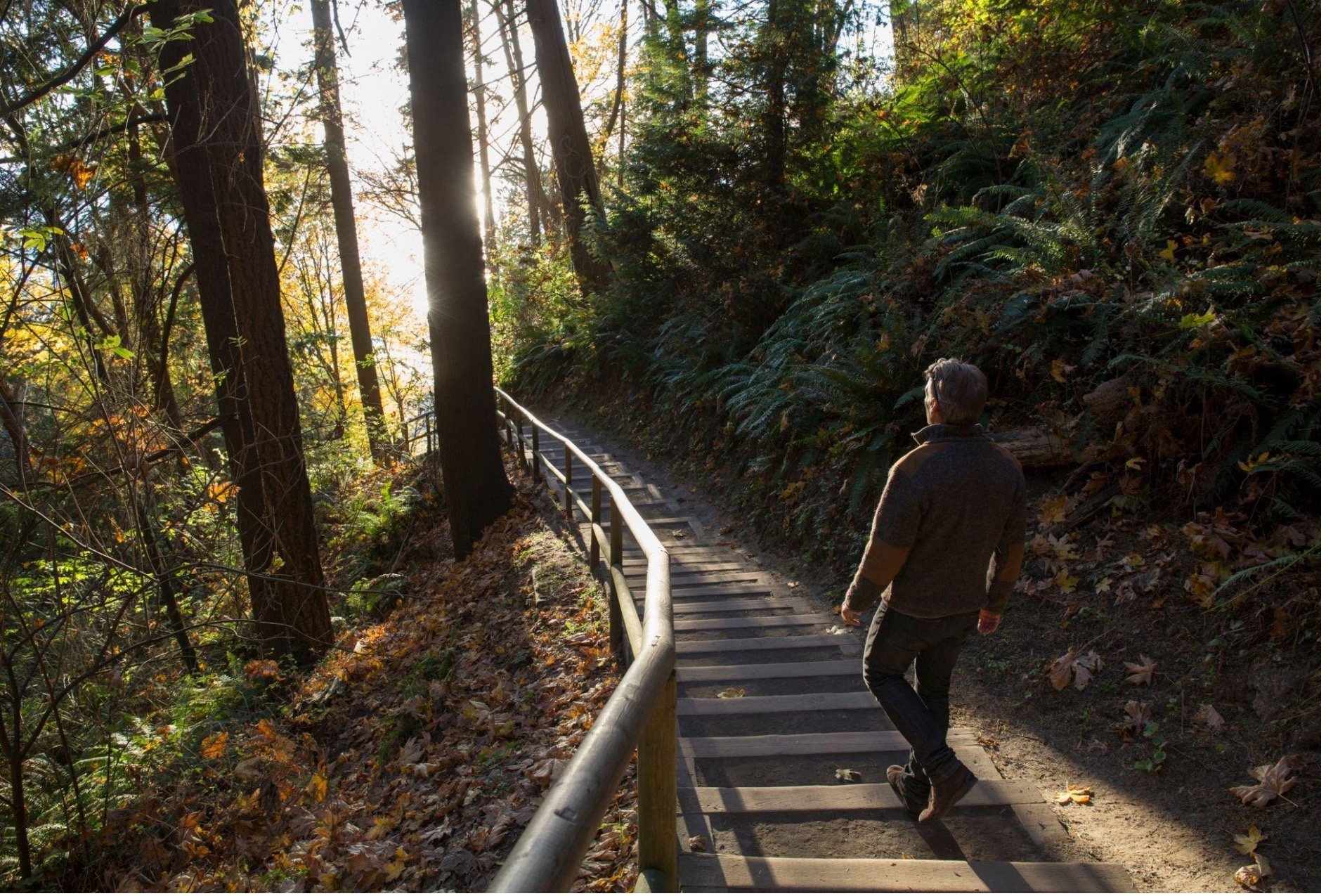
When people talk about a spiritual journey, they usually mean connecting with their souls and finding the purpose of life.
There's no one right way to do this, but there are some things that can help you on your way whether you’re in the wilderness or memory care Mesa, AZ. First and foremost, it's important to find faith or a spiritual path that feels comfortable for you. This means that you shouldn't feel forced to adhere to any specific beliefs or dogma. Instead, adopt a philosophy or worldview that resonates with you on an emotional level.
Following are the 5 steps to start a personal spiritual journey:
1. Be open Minded
The first step on your spiritual healing journey is to be open-minded. This means that you have to be willing to accept new information and ideas, even if they seem strange or unfamiliar at first. If you're resistant to change, it will be difficult for you to make any progress on your journey.
2. Commit yourself Time and Again
The second step is committing yourself time and again. This means setting aside specific periods each day (or week) for reflection and contemplation. During these times, don't rush through anything – take the time necessary to fully understand what's happening in your life.
3. Find your role model
The third step is finding your role model. This person can be anyone that you admire – whether it's a public figure, a historical figure, or even a fictional character. It's important to find someone who has successfully navigated the spiritual journey that you're embarking on. imitation is the sincerest form of flattery!
4. Set spiritual Goals
The fourth step is setting spiritual goals. These are the things that you want to achieve during your journey, both short-term and long-term. Be specific about your objectives and make sure that they're based on what you believe in – not just what you hope to achieve.
5. Stay positive
The fifth step is staying positive. This means constantly reminding yourself of why you're embarking on this spiritual journey in the first place: because it's important to connect with your soul. If you allow yourself to get bogged down by negative thoughts, it will be much more difficult for you to achieve your goals.
6. Attend spiritual Courses
The sixth step is attending spiritual courses. This can be anything from reading religious scriptures to taking specific meditation or yoga practices. If you're new to this type of thing, it's important to find a class that fits your needs and interests – otherwise, you may struggle to stick with it. You can also attend free spiritual healing courses online.
7. Make Connections
The seventh step is making connections. This means getting involved in as many different aspects of the spiritual journey as possible: spiritually oriented groups, community service projects, etc. Meeting other people who are also seeking guidance will help bolster your faith and encourage you along the way.
Conclusion
Hopefully, these steps will help you on your spiritual journey. Remember to stay positive and connect with your soul – it's the key to success!
Written by: Saboor Ahmad
5 THINGS THAT COULD BE AFFECTING YOUR HEARING

With today's busy schedules, many people struggle to keep up with their health needs. From annual checkups with your primary doctor to having your hearing tested, many fall behind in the things that really matter to their overall health.
Along with natural aging, there are many reasons why your hearing may be impaired. If it has been a gradual decline, it can often be a problem that goes unnoticed until it becomes a hassle. Asking people to repeat themselves and straining to hear are two of the most common signs of hearing impairment.
Hearing problems don’t always have to be permanent or require a hearing aid. In some cases, it may be allergies that make you lose hearing in one or both of your ears. Let’s take a closer look at a few of the things that could affect your ability to hear correctly.
Convertibles
The summer is a great time to take your convertible for a ride down country or city roads. While a trip like this might seem lovely, it has some hearing risks. The sound levels that drivers were exposed to in most cases were between 88 and 90 decibels. An average conversation usually occurs at 50 to 60 decibels. Exposure to 85 decibels for a prolonged period can cause hearing loss, so this riding with the top down should be enjoyed only occasionally.
Headphones
The act of listening to music through your smartphone or stereo is not harmful in itself. However, there is a risk of damage occurring due to long-term exposure to loud music. Typically, people are more likely to set their device to a louder volume setting when they use earbuds that don't block background noise. Experiencing loud music over a prolonged period of time was not meant to be healthy for our ears.
Urban Noise
The noise levels on a busy street in a big city can reach as high as 100 decibels at times. There is a high possibility that the noise level will be even higher if an ambulance passes by or a police siren starts wailing. Those who live in cities are exposed to these sounds daily and can prevent hearing loss by wearing earplugs and getting regular hearing testing to keep up to date with the problem.
Televisions
If you have to shout to be heard while the TV is on, it’s likely too loud. Hearing aids can improve your hearing, rather than having you resort to turning up the volume. This will benefit your neighbors as well as your ears.
Smoking
Smoking is unhealthy for your lungs, but it can affect your hearing as well. A good blood flow to the cochlea is essential for the proper functioning of our hearing system. As a result of smoking tobacco, blood flow is restricted. The cumulative damage caused by smoking cigarettes may not be permanent, but it can affect you over time. This is yet another reason to quit.
If you feel that your hearing is not what it used to be, the best advice is to see a doctor at ArabiaMD immediately. Before you worry about permanent hearing loss, remember that common hearing causes could be part of your problem.
MAGIC MOMENTS, ACCEPTANCE & FINDING WONDER WITHIN TRAGEDY

These are some inspiring and insightful passages in
“The Raven's Gift: A Scientist, a Shaman, and Their Remarkable Journey Through the Siberian Wilderness” by Jon Turk
— I had spent four years teetering between the Real, the dream-, and the spirit worlds trying to explain life’s mysteries—my healing, the labyrinth, and now the bear and the raven. I no longer had any need to analyze or explain the wonders and tragedies that had embraced and buffeted me in their whirlwinds, like the storm clouds that danced across the heavens. Why would anyone want an explanation, anyway? Oleg had understood that the Real World and the Other World are the same, so he sent Misha and me into the tactile, tangible tundra to thank the transcendental spirit bird. Anytime I want to talk to Chris or need solace and support to find my own way, I can climb this mountain, or any other mountain, or go to sea in my kayak. Or I can sit by a quiet mountain stream as I had on the day of the memorial and sip some cool water from a tin cup hanging on a willow. I don’t need to be visited by a bear or a raven every time, because I’ve been honored enough to know that they have already visited me. They visited me on the day I carried Chris up the mountain to her final resting place and dusted her ashes into the storm.

— Moolynaut taught me to live inside a myth—not another person’s myth, or that of someone who lived thousands of years ago—but my own personal tapestry of Real World and Dream World, connected by magic that hovered on black outstretched wings. My first entry into myth, forty years ago, during that spring day with my dog, gave me the power and resolve to change my life. Barriers broke down and over the decades, new input rushed in, some wonderful and some scary. At one moment, a mysterious healing energy vaulted over the lowered barrier and mended my pelvis, and that changed my life again, guiding me toward new beginnings.
— A bear and a raven. Magic moments integrated with the greatest sadness, preaching acceptance. My animal friends were teaching me to heal by finding wonder within tragedy.
— “You have noticed that everything an Indian does is in a circle, and that is because the power of the World always works in circles … The sky is round and I have heard that the earth is round, like a ball … The wind, in its greatest power, whirls. Birds make their nests in circles, for theirs is the same religion as ours … Even the seasons form a great circle in their changing, and always come back again to where they were.”
—Black Elk, Oglala Sioux holy man

HOW A POKER STRATEGY CAN HELP YOU REACH YOUR LIFE GOALS

When we think of poker, we have myriad frames of reference to draw from. It's been part of the American landscape for generations; from the cowboys of the Old West shooting cards in a saloon, to the landscape being literally reimagined with Las Vegas turning from a sleepy staging post to the behemoth for all things entertainment it is today. When we think of smoky backroom bars or the lights and noise of the casinos of the Strip, though, we don't necessarily think of poker as being a game of strategy, mindfulness, and goal attainment.
However, the image of the hard-drinking, cigar-chomping poker player has now largely fallen by the wayside, and today's top professionals look after both body and soul. World Series of Poker bracelet holders Daniel Negreanu and Andrew Lichtenberger have both been vegan for over a decade, with the latter penning a book, The Yoga Of Poker covering topics such as joy, health, and love. On love, he muses that "Living and playing poker with an unconditionally loving attitude and outlook is a life-changing experience to uplift and expand consciousness of yourself and those around you". Can poker help frame our worldview in order to attain our goals?
Control
Poker, like life, is a scenario where we cannot choose the hand we're dealt. The best-laid plans to a goal can be cast adrift by circumstance, or as Mike Tyson put it, "Everybody has a plan until they get punched in the mouth". While our goals are under constant pressure from life sometimes getting in the way, not every path is linear. A good poker player will know how to roll with the punches, be mindful of where their hand may be going, and not have good money chase bad. As new scenarios crop up in life, we can control our reaction to them, and decide whether they're something to pursue or not.
Honest assessment
As we've looked at, it's very important to have the mindfulness to harness ‘The Power Of Listening To Yourself Without Judgement’. While it's easy (and sometimes tempting) to become one's own harshest critic, too much negativity can make goal attainment seem a forlorn and far-off task. However as a poker player will constantly countenance during a game, we need to be aware of our own strengths, alongside our own weaknesses. Everything in life involves some amount of risk. If our goal is to get a new job, that's going to open us up to the possibility of rejection. Poker.org carries a great bit of advice, namely 'check your ego at the door'. Weigh up the probabilities of success. If they're high, go for it. If they're a longer shot, consider folding, waiting for the next opportunity and re-strategizing.
Continuous maintenance
Motivation and willpower can only take us so far. We're human, we'll always have bad days and something that may have progressed us to a goal could slip by unnoticed. If thinking (from the psychological concept of conditional reasoning) has us be mindful to act that if X happens then I will do Y. A poker player will do this continually throughout a game and likely mostly unconsciously as they analyze the cards that are turned - 'I have a King and a two in my hand’. If the next card the dealer turns is a King then I will place a large stake. If it is a two, then I may place a smaller stake. If it is neither,then I will fold. At the poker table, these actions happen instantaneously, however when working towards a goal, events tend to be more drawn out. Forbes.com proposes using mindfulness and associative stimulus to help work towards where we want to be - e.g. if our goal is to be more active and perhaps lose some weight, then take the stairs instead of using the elevator. If we continuously refer back, then the sight of an elevator door, perhaps in a building new to us, should become a cue for the brain to look for the stairs.
Poker has a fairly simple goal. The player wants to win the pot, and draws on strategies, knowledge and techniques to (hopefully) get themselves to that point. At all times, awareness of self and external factors are key. The principles of overcoming problems to come to a solution in poker can be extended far beyond the card table.
Written by Louis Mills